


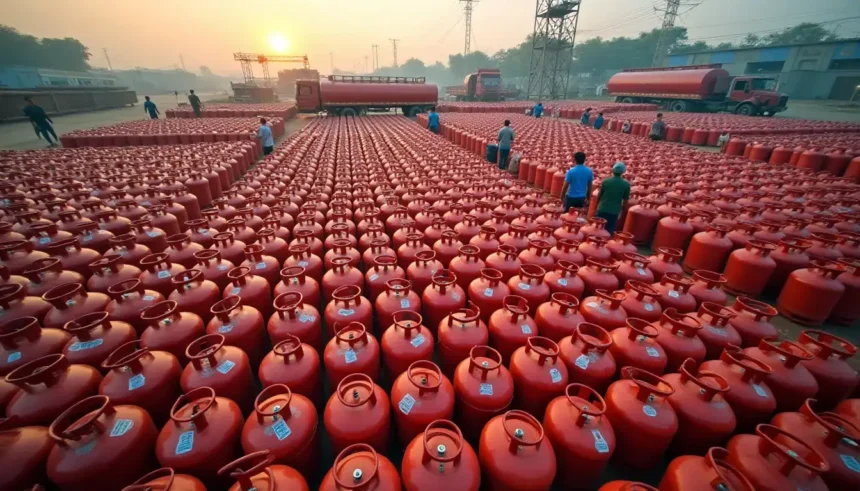
LPG cylinder shortage India 2026, right now, a lot of Indian households and businesses are worried about getting their hands on LPG cylinders. People are facing everything from long delivery waits to the outright unavailability of gas, and that’s starting to stir up real anxiety. The news is full of stories about energy security, shaky supply chains, and just how fragile India’s cooking fuel system actually is.
In cities across the country, booking a gas refill has turned into a headache. Deliveries take longer, sometimes three or four days, and panic buying isn’t helping. Even though oil companies and government officials say there’s enough LPG for homes, the reality on the ground is different. Commercial users restaurants, food stalls, small businesses are struggling even more. Some have had to cut back or even shut down because they just can’t get gas.
In places like Hyderabad, the problem’s gotten so bad that commercial cylinders are popping up on the black market for as much as ₹3,000 to ₹4,000. That’s way above the official price of about ₹2,100. No wonder people are worried about whether India’s LPG system can really handle global shocks.
Why LPG Matters So Much Here
LPG isn’t just another fuel it’s what hundreds of millions of Indian homes use to cook. It powers kitchens from city apartments to tiny roadside eateries. Over the past decade, government schemes like the Pradhan Mantri Ujjwala Yojana (PMUY) have put millions of LPG connections into the hands of low-income families, swapping out smoky firewood and coal for something safer. That’s been a huge win for public health and for women, especially in rural areas.
But there’s a flip side more connections mean more demand. India now has over 30 crore LPG consumers. When you’re dealing with numbers that big, even a small hiccup in supply gets noticed fast.
How the World Affects Your Gas Cylinder
Here’s the thing: India doesn’t produce enough LPG on its own. We import a lot of it, and that means what happens overseas hits us hard. Right now, tensions in West Asia are making things worse. Most of India’s LPG comes through the Strait of Hormuz one of the world’s busiest, and most sensitive, shipping routes for oil and gas. Any trouble there, and supply chains get messy fast.
We’ve already seen crude oil prices swing up and down because of these tensions, and natural gas shipments aren’t immune. When the world’s energy supplies get shaky, countries like India feel it almost immediately sometimes with shortages, sometimes with higher prices.
Why India Feels Every Global Jolt
India does make some LPG at home, mostly from refining oil and processing natural gas. But that covers less than half of what the country needs. Around 60% of our LPG comes from imports. So, if there’s a shipping delay, a price spike, or political trouble abroad, the whole system starts to strain.
And there’s another problem: storage. India’s underground LPG reserves can cover less than two days of national use. That doesn’t leave much wiggle room if something goes wrong. A lot of experts say this is one of the biggest weak spots in the country’s energy setup.
Bottom line? India’s heavy reliance on imports, global tensions, and limited storage all add up. And right now, that’s making life tough for anyone who needs a gas cylinder at home or at work.
Panic Buying and Booking Delays
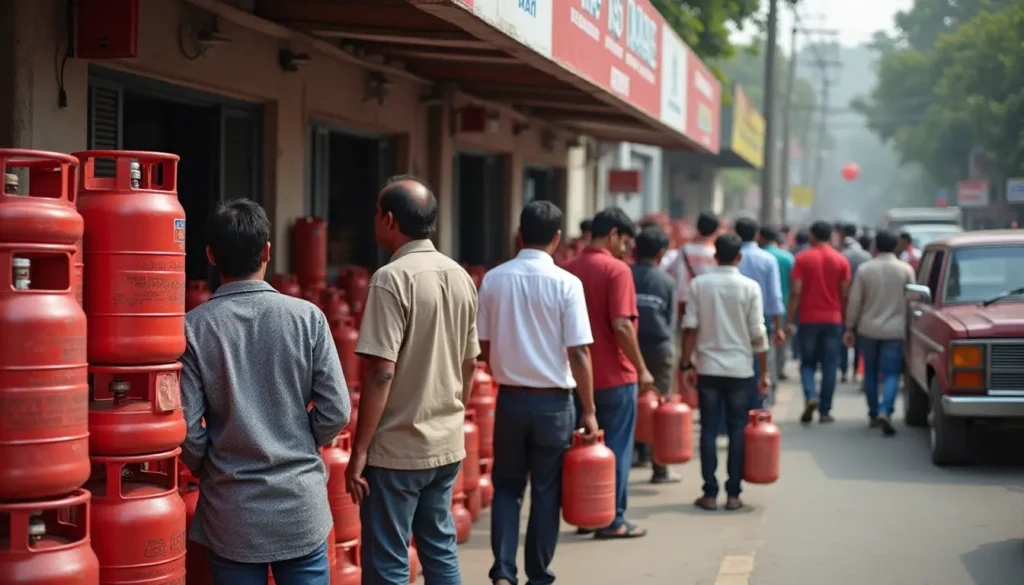
Besides global supply issues, a big part of the current LPG shortage comes down to how people react. The moment news breaks about possible supply problems, families start booking gas cylinders way earlier than usual. That sudden rush can jam up distributor systems and push delivery times way back.
Places like Kolkata are seeing this firsthand. Gas booking apps and servers just can’t keep up with the flood of requests, so lines grow longer at local agencies, and cylinders take ages to arrive. Some families have waited more than 25 days for a refill because of the backlog. It’s a clear example of how panic buying actually makes the problem worse even when there’s technically enough gas to go around.
Impact on Restaurants and Small Businesses
For most households, delays are annoying, but for restaurants and small businesses, the commercial LPG shortage hits much harder. Kitchens in restaurants, street food stalls, hostels, and catering services all run on these cylinders. When supplies tighten, costs go up and running a business turns into a headache.
Take Mumbai about 20 percent of restaurant kitchens there have already run out of gas. Some have shut their doors for now or slashed their menus. If things keep going this way, food prices are bound to rise because restaurants can’t absorb the extra cost forever. That means eating out gets pricier, and catering services do too, which eventually ripples through the whole economy.
Government Response and Supply Management
The government has stepped in to keep things under control and make sure people still get their cooking gas. Officials say households are the top priority, and oil companies have orders to keep regular deliveries going. In a few places, local governments are telling people not to hoard and to use gas wisely while things settle.
To close the supply gap, the government has ramped up domestic production and brought in extra shipments from countries like Australia, Canada, Qatar, and Saudi Arabia. Once these emergency imports land, the supply crunch should ease up.
The Role of Oil Marketing Companies
India’s LPG supply chain relies mostly on three big public sector companies: Indian Oil, Bharat Petroleum, and Hindustan Petroleum. Together, they run thousands of distributors across the country, moving cylinders from refineries and ports straight to people’s kitchens.
When trouble hits the supply chain, these companies shift their focus to make sure hospitals, medicine makers, and regular households keep getting what they need most.
The Link Between LPG and Crude Oil Prices
LPG prices aren’t just about local demand they’re tied to the global crude oil market. Since LPG comes from both refining crude oil and processing natural gas, any spike in oil prices means it costs more to make and ship LPG. That affects everything from imports to how much people pay for their cylinders.
Even though India tries to keep prices steady with subsidies and government tweaks, in the long run, LPG prices still follow the ups and downs of global energy markets.
Energy Security and Long-Term Solutions
With all these LPG worries, everyone’s talking again about India’s bigger energy security plans. Experts say the country needs to step up in a few key areas:
- Expand Storage: Building more underground LPG storage would give us a bigger safety net during shortages.
- Diversify Imports: Relying on lots of supplier countries means we’re not stuck if one region has problems.
- Encourage Alternatives: Promoting electric induction cooktops and piped natural gas, especially in cities, can cut back on cylinder dependence.
- Strengthen Distribution: Better logistics and smarter digital systems can help deliveries run faster and keep booking headaches to a minimum.
What Consumers Should Do
If you’re worried about running out of gas at home, don’t panic. Experts say it’s best to stick to your usual refill schedule no need to rush or buy extra. You can stretch your LPG cylinder further with a few easy habits. Try pressure cooking more often. Turn off burners as soon as you’re done. Keep your stove in good shape, since a well-maintained stove uses less gas. And, if you have one, use an induction cooktop for some meals. These small changes help you use less fuel, which really matters when supply feels uncertain.
LPG cylinder shortage India 2026 – Conclusion
India’s LPG challenges show just how closely our daily lives are tied to global supply chains. With so many families depending on cooking gas, even minor hiccups turn into big news fast. Officials say there’s enough LPG for now, but things like commercial cylinder shortages, panic buying, and global market pressures have caused some bumps along the way.
This whole situation is a good reminder: energy security isn’t just about today. It takes planning for the long haul like building better storage, finding more supply sources, and making sure distribution works smoothly. When these steps actually happen, India stands a much better chance of getting through future shortages and making sure every home keeps cooking without a hitch.