


Earthquake of 4.6 magnitude in Andaman and Nicobar Islands, What you need to know right now
The moderate earthquake of 4.6 magnitude in Andaman and Nicobar Islands did not bring down buildings, but it sent a signal of urgency to anyone living near tectonic hot spots. As the ground shifts beneath an island chain that still bears the scars of historic quakes and tsunamis, even a moderate temblor raises questions: Is this a one-off or part of a larger movement beneath the sea? Should residents and visitors alter plans, or just take a deep breath and proceed?
This article fact-checks the claims, explains why this region is seismically active, explores possible hazards (like tsunamis) and provides strategies for preparation that you can adopt today to help safeguard yourself and your family. We’ll also recommend essential gadgets and services that can help you to stay prepared, as well as direct you to trustworthy sources so you can follow developments responsibly.
Key Facts About Earthquake of 4.6 Magnitude in Andaman and Nicobar Islands
Earthquake of 4.6 magnitude temblor at Andaman and Nicobar Islands has been recorded by seismological networks as a moderate quake, focused near the island chain. It was discovered by monitoring journos and appeared in the popular press not long after they were registered. The epicenter was out to sea, and the move quake was deep, so no immediate infrastructure damage or casualties were reported.
But there is more to the event than just its size. Its position in one of India’s most seismically active regions, and its being felt across parts of the islands, also makes the earthquake a significant data point for scientists — as well as an important reminder to residents and visitors.
Where it hit, and why the Andaman region is sensitive
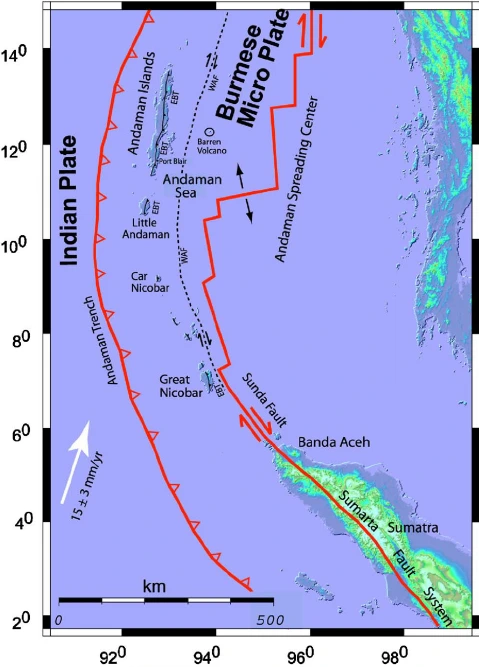
The Andaman and Nicobar Islands are located within that part of this plate boundary where the Indian Plate experiences convergence with the Burmese Plate, which itself is an area of complex continental block tectonics at their eastern side, including a major transform fault zone in southern Myanmar. The convergence leads to some of the most active seismic zones on the planet, a large number of earthquakes and also historically high tsunamis.
Most quakes here originate offshore. That lessens immediate surface destruction in many instances but elevated tsunami risk, and requires up-down fault behavior to carefully watch. The local geology a jumble of island arcs, deep ocean trenches and subduction zones helps explain why even moderate quakes draw such close attention from authorities and scientists.
How bad is a earthquake of 4.6 magnitude and what to expect from this one physically
In general a 4.6 magnitude quake would be considered light to moderate. Those near the epicenter may experience shaking; loose objects could rattle or fall; and weak walls or poorly built structures may crack. But extensive structural failure is unlikely for buildings that have been requisitely built.
Where a quake of this intensity becomes crucial is in its context: how deep it is, how near to people and whether it causes underwater displacement. With an earthquake of 4.6 magnitude on the Andaman and Nicobar Islands, a slightly greater offshore epicenter and depth helped in limiting immediate impact but it is nevertheless a clear indication of the fact that tectonic activities continue to be prevalent.
Tsunami risk : Should the coastal population be concerned?
One of the key concerns after any undersea quake is the generation of tsunamis. Not all such offshore earthquakes generate tsunamis: the size of the quake, its depth and the specifics of how one section of seafloor moves are among those factors.
There were no tsunami warnings from official agencies for the earthquake of 4.6 magnitude that occurred at Andaman and Nicobar Islands. Tsunamis have historically been associated with larger, shallow quakes that cause the seafloor to rise or fall. Local authorities are, however, maintaining early-warning systems and evacuation plans that is unfortunately just necessary in a region with tsunami memory.
What this quake can teach scientists and why monitoring matters
One thing you learn from every earthquake, no matter how small it may be. Seismologists use the waveforms, depth, fault orientation and aftershock sequences to revise models of the distribution of stress along tectonic boundaries.
The earthquake of 4.6 magnitude Andaman and Nicobar Islands earthquake is also included in this dataset. Patterns of small-to-moderate quakes can show whether faults are leaking damaging energy or sequestering it away for a larger event. For the coast’s planners and emergency managers, it helps shed light on how to refine evacuation zones, infrastructure codes and early-warning systems.
Common-sense safety tips after minor quake what visitors and residents should do
Despite the apparent lack of damage, this quake serves as a reminder to make sure you’re prepared. First, check the cracks you can see around your home for any smell of gas or for leaks in water lines. Fasten heavy furniture and have your emergency kit ready. If you’re in a coastal area, look up local tsunami escape routes and subscribe to official alerts.
If you’re on one of the islands as a tourist, don’t panic but stay informed. Keep up with local advisories, check out hotel emergency action plans and pack essentials like bottled water and a charged power bank in your carry-on. Small steps like finding the nearest open space, and a solid doorway makes all the difference.
Future considerations: infrastructure, planning and resilience
The earthquake of 4.6 magnitude in Andaman and Nicobar Islands should bolster the case for resilient infrastructure. Smart building codes that factor in a seismic risk, more frequent safety drills at schools and places of work, local community based exercises can minimize the human casualties in future occurrences.
Local governments or planners can, in turn, use the event as an opportunity to audit lifelines: power systems, water supply, port infrastructure and communication lines. Receptive, hotels and community organizations holding private stakes should incorporate earthquake and tsunami preparedness measures to remain safe and operable.
Readiness can be easy and inexpensive. You should have a earthquake grab-bag that includes bottled water, nonperishable food, a flashlight, first-aid kit, important documents in a waterproof protector and a power bank. And for families living in areas prone to earthquakes, think about a small gas shut-off tool and furniture straps.
Battery-backed emergency radios, multi-gas detectors and portable water purification systems also keep organizations and managers going strong. Early-warning apps and seismic sensors for home use are examples of smart devices that can give you an extra few minutes to prepare in some areas, minutes that count.
If you want something more material, reliable emergency kit producers, weather radio makers and certified portable water purifiers are a great place to begin.
Comparative perspective: How this quake compares with past events
It is nothing really, given that the 2004 Sumatra-Andaman earthquake was mega and triggered a massive tsunami. A earthquake of 4.6 magnitude in the Andaman-Nicobar Islands does not compare to that! But it is a routine check that natural systems are operating, and preparedness remains important.
Smaller quakes are already frequent and might serve as early warnings; larger, less frequent quakes will remain the primary threat to buildings. The scale and stakes are different, but the principle remains the same: ”Constant vigilance saves lives.
FAQs on Andaman and Nicobar Islands’ earthquake of 4.6 magnitude
Q1: Was there any damage or loss of life?
A: Early reports suggested no major damage or casualties, the hallmarks of a moderate offshore quake.
Q2: I live in mainland India, should I be scared?
A: Earthquakes based in the Andaman region are seldom felt with as much power on the mainland, unless they are significantly stronger.
Q3: Are aftershocks expected?
A: There could be aftershocks, though small; monitoring agencies look at any kind of pattern that might indicate an uptick in activity.
Q4: What can tourists do to protect themselves?
A: Tourists should heed local advisories, know evacuation routes and have a basic emergency kit and contact information on hand.
Closing thoughts: a small shake, a big reminder
The 4.6 magnitude earthquake jolted Andaman and Nicobar Islands was not a disaster. Its true value is that it is reminder: that living near tectonic boundaries demands constant vigilance, sensible preparedness and community strength. Whether you’re a resident, you’re visiting or you’re watching for seismic trends from afar, this event is a reminder to review your plans and continue to update your emergency kits and encourage stronger local infrastructure.
If you like, I can transform this into printable emergency in-case-of-emergency checklists, social media-ready infographics or short how-to guides suggesting reliable preparedness products. Small, powdery actions today have some effect, as the earth shakes tomorrow.