


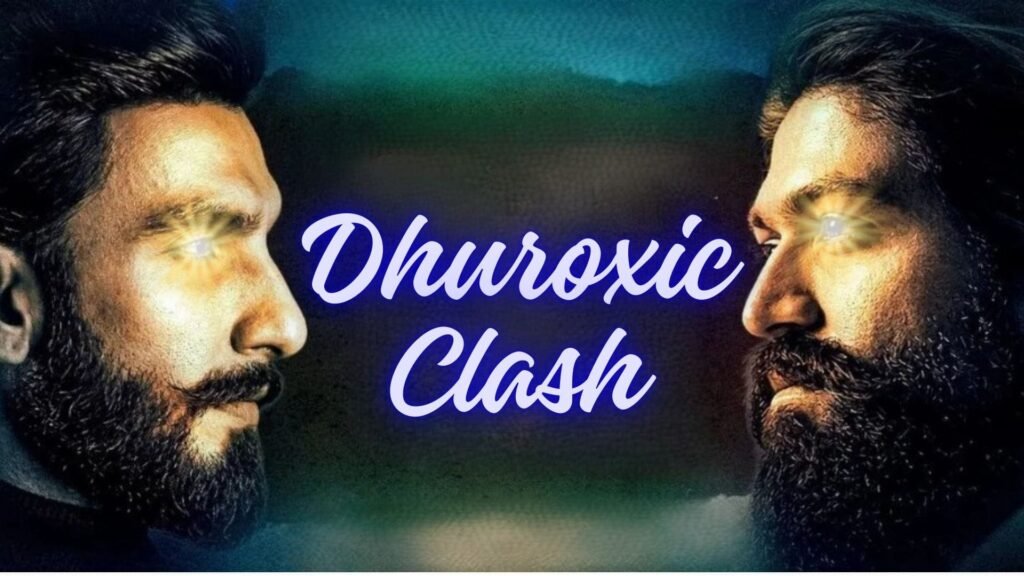
Dhurandhar 2 vs Toxic: When 2 Worlds of Cinema Collide
2026 is lining up to be a cinematic earthquake, and fans of the universe already have a name for it, Dhuroxic Clash. I don’t mean this to be a cute mash-up of two movie titles. It is one of the most eagerly awaited box office battles in recent history of Indian cinema Dhurandhar 2 vs Toxic: A Fairy Tale for Grown-ups.
Both films are set to drop on the same day, and both carry huge expectations, rabid fandom, as well as opposing cinematic perspectives. What we have on one side is Dhurandhar 2, the no-nonsense spy thriller that plays it real and gritty and never allows fiction to overtake a geopolitical story involving as much spycraft as heart in equal measure. And on the other side is Toxic, a slick, sinister and larger-than-life gangster drama driven by a pan-India superstar making a comeback to the screen after long.
The convergence of these two worlds has generated a discussion beyond any standard film to promote. Everyone in the industry, the trade and fandom want to known when it is Reality v/s Spectacle who would conquer hearts & rule the box office.
Dhuroxic Clash Explained: Two Films, Two Cinematic Philosophies
What sets the Dhuroxic Clash confrontation apart is not only star power or magnitude, but a complete swing in storytelling approach.
Dhurandhar 2 is an earthy, realistic and intense cinema. Its storylines plunge into intelligence work, underworld politics and morally complex figures. The first part established the following by splicing fact - based history with make – believe espionage, forging a world that seemed uncomfortably near reality. The sequel will promise to delve deeper, become darker and more emotionally charged.
Instead, Toxic is set up to be a movie event spectacle. With visuals that are stylized, music that’s just got big block letters in front of it like a WW2 poster and a hero who is designed to appeal to as many people as possible, we’re looking for something epic, dramatic and cool AF. It’s not about subtlety; it’s about jolt. It’s a language of scale, attitude and cinematic flamboyance.
And it is this Dhuroxic clash between realism and stylization that makes “Dhuroxic” more than a box office contest. It is a struggle of competing cinematic ideologies.
Star Power: Ranveer Singh Versus Yash
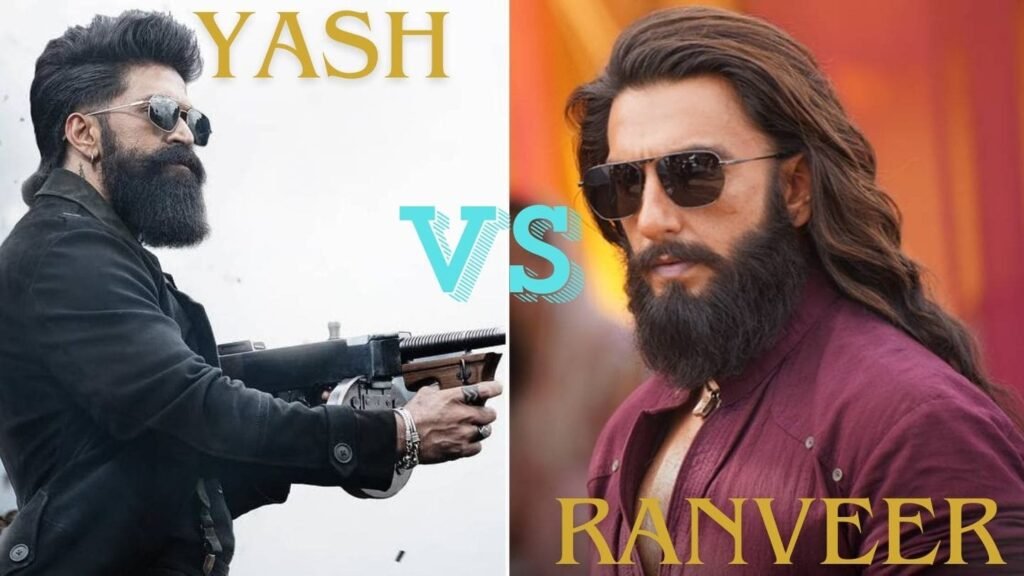
Embedded in Dhuroxic Clash are two of the most charismatic performers of Indian cinema.
Ranveer Singh – Dhurandhar 2’s protagonist is known for his severe physical transformations and a raw emotional depth. The first movie’s central character, a ruthless but tortured operative, was critically praised and widely seen. In the upcoming sequel, there are high expectations for even more psychological layers and moral struggles to develop in the character.
Is it a dream after the much celebrated KGF franchise, the chase begins with INDIA” Yash plays the role of Rocky, a small-time mobster who is thrown into a spiderweb of intricate network and unspoken rules when he returns to India for job. His on-screen personality exudes an air of power and charm, which is bound to attract large crowds. In Toxic, the star’s character is continuing with a transformation to darker and more intricate figure, bridging raw power and elegance.
For those two fan bases to meet in the middle, it has an explosive potential. Dhuroxic clash is about both the fans being loyal, yet same as it’s about films.
Story vs. Genre: Espionage and Dark Fairy Tale
And part of why the Dhuroxic fight feels so satisfying is the difference in genre.
Dhurandhar 2 puts foot on the accelerator as it takes a trip into the shadow world of spies, plots and global conspiracies. It’s gritty, tense and quite brutal in parts. The movie is sustained by a web of mystery and intrigue, clever writing and the emotional cost of living in the shadow. It is those who like clever thrillers with political and psychological depth that this appeals to.
Toxic is billed as a “fairy tale for grown-ups,” a descriptor that conjures images of an exaggerated story replete with symbols, dark themes, and drama. The series is believed to merge gangland trappings with a mythic shape, combining to feel at once contemporary and timeless. The film’s visual language and music are meant to produce an immersive, even operatic experience.
For Dhuroxic, it’s not simply that the audience is deciding between two movies, but also how they want to watch cinema.
In Dhuroxic Clash, their Box Office Potential: Who’s Got the Advantage?
Both films are good for opening on proven trade legs.
Dhurandhar 2 gets its game from franchise value. The opening instalment built up a dedicated viewership keen to see the story continue. Sequels often have strong openings, as moviegoers already have an emotional bond with its characters and world.
Yash’s humongous popularity across the languages has given Toxic the added advantage of pan-India appeal in this case. Its lavish appearance and scale should satisfy those seeking a grand and often theatrical experience.
We knew it was a holiday release window and that’s always a crunch time. The opening days might see record-breaking numbers for both films, given the holiday footfalls and extended weekends. Though, maintaining momentum will require word of mouth, emotional impact and repeat value..
Music, Marketing, and Hype
In the era of social media, Dhuroxic battle is also being waged online.
The teasers, posters and motion promos of both movies have been viewed in millions. Toxic has reveled in flashy, high-energy marketing that creates an air of mystery and power around its protagonist. Contrast that to Dhurandhar 2, which has gone for intensity, realism and narrative smokescreens.
Music will also be very important. with Having a great background music can make an action scene or emotional moment even better, affecting how the audience sees it and makes them watch it again. Whoever finds those iconic themes and memorable visuals might have a bit of an edge on the dollar-dollar (what we love).
Audience Psychology: What Will the Viewers Choose?
The Dhuroxic encounter is emblematic of a broader evolution of audience tastes.
Some fans desire for realism, layered storytelling and emotional complexity. They’re not up for that, what with all the universe-building and continuity even in direct sequels of the kind Dhurandhar 2 provides. Others are in it for the escapism, style and larger-than-life hero. For these fans, Toxic offers a high that only a spectacle movie can provide.
Curiously, a significant number of viewers will decide that they’re just not going to decide. They could even watch both, making the showdown more of an occasion than a contest. In fact, this double-dipping might be a healthy thing overall for the industry to help prove that different styles of story telling can and should compliment each other.
Dhuroxic and the Indian Cinemas to Come

Beyond the digits, Dhuroxic represents a shift in Indian cinema. It demonstrates that the industry is quickening its pace and expanding beyond a single dominant formula. From the world of gritty spy thrillers to stylized mass entertainers, a realistic filmmaker and masala entertainer can release on the same day and compete with each other.
And it could also shape future release plans. Studios could re-examine clashes, marketing strategies and segmentation of the audience, discovering how different cinematic languages appeal to distinct demographics.
Conclusion: More Than a Collision, A cultural moment
Dhuroxic is also not just a catchy name. It’s a snapshot in time when two of the most powerful forces in all of cinema collided face first with one another, both believing fully in their own sense of vision, scope and storytelling.
Dhurandhar 2 has intensity, and realism added with emotional depth. Toxic is the height of style, spectacle and mass appeal. One speaks in the tongue of shadows and secrets; the other in myth and magnitude.
If and when these two films come together, the real winner is not one over the other, but the audience that gets to see the best of what modern Indian cinema has to offer.
Ultimately, Dhuroxic will not just be a success at the box office, but in the dark places of your mind when you talk about the theater experience and story telling methods and how many ways what makes up a movie can come across on your screen.