



What is Canine Breast Cancer?
Many pet owners might also wonder, can dogs get breast cancer? The answer is yes, dogs get breast cancer, or what is also known as mammary tumors. Your dog’s breast cancer is a result of normal cells in the mammary glands along its abdomen and chest multiplying out of control. They are either benign (not cancer) or malignant (cancer), with malignancy being a major health problem for pets.
Mammary cancer is also one of the most prevalent malignancies in female dogs, particularly intact or those spayed at a late stage of their life. Although less frequent, also male dogs can be affected. Early detection and veterinary treatment are essential in increasing survival rates of dogs with breast cancer. Learn about this disease and protect your dog’s health – know what it is, where it comes from and how to get treatment quickly if symptoms occur.
So many animal lovers might wonder, can dogs get breast cancer? The short answer is yes- dogs can get breast cancer, or what is known medically as mammary tumors. Canine breast cancer occurs when cells within your dog’s mammary glands (her breasts, basically) grow and divide at a rate faster than the body can kill them off. They can be benign (non-cancerous) or malignant (cancerous), and in the latter case, there are health implications for affected animals.
Mammary tumors are one of the most frequently diagnosed cancers in female dogs, particularly in those that were not spayed or were spayed later in life. Although less frequent, these tumors can occur in male dogs as well. Early detection and treatment by a vet are imperative to increasing the chances of recovery from dog breast cancer. Learning about this disease is one of the measures you can take to look after your dog’s health and ensure timely treatment if you observe any symptoms.
Despite common belief that dogs cannot get breast cancer, they can and it is often referred to as mammary tumors. These are tumors that develop when cells start to grow out of control within the mammary glands (a dog has eight to 10, located along its chest and abdomen). 5. Benign and malignant mammary tumors in dogs Tumors can be benign or non-cancerous, but all it takes is one to be malignant – yes cancerous – accompanied of course with the potential for untipped-with-outcome.. death.
This form of cancer is particularly prevalent in female dogs that had not been spayed or were spayed later in life, but it can occur rarely in male dogs as well. Early detection is critical, as early intervention dramatically increases the likelihood of a successful treatment and recovery. Through the awareness of symptoms and risks of canine breast cancer, pet owners are more prepared to take steps to protect their furry family members.
Etiology and Risk Factors of Breast Cancer in Dogs
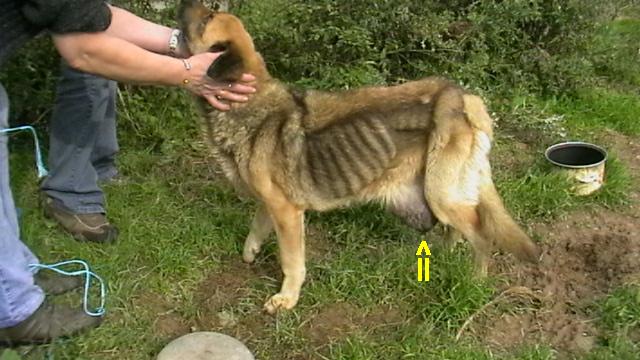
And so here’s the question that many pet owners ask: “Can dogs get breast cancer?” Yes, mammary tumors are one of the most prevalent cancers found in female dogs. Knowing the risk factors can aid in prevention and early detection.
Whether or not a female dog has been spayed is one of the most important breast cancer risk factors for dogs. Research indicates that females spayed before their first heat cycle have close to a 0% risk of developing mammary tumors when they get older. The hormonal component is significant: there’s a predisposition to develop tumors based on exposure to a combination of estrogen and progesterone, so unspayed or late-spayed females are at highest risk.
The dog’s genetics also factor into the risk of breast cancer in canines. Some breeds like Poodle, Cocker Spaniel and Dachshund carry higher genetic predisposition for these tumors. If your dog is from a line of dogs known to have tumor or cancer-related health problems, routine vet visits are vital.
Other risk factors are influences of age—older female dogs have an increased risk to develop mammary tumors—and obesity and dietary aspects in the early development. Wrapping it up Sorry, but you can’t do anything about genetics or hormonal status after the fact, but spaying at a young age is one of the best preventatives for canine breast cancer. Regular visits to the vet can also help ensure any issues are caught early, when they’re easiest to treat.
Beware of These 3 Warning Signals and the Common Symptoms of Lyme Disease
A lot of pet owners often ask, “ Do dogs get breast cancer? The answer is yes — dogs can get breast cancer, which also is known as mammary tumors in our canine friends (and the most common type of dog cancer that naturally occurring). Your dog’s diagnosis depends on your noting the early signs of trouble.
The most observable symptom of breast cysts on dogs is the terrible lumps that you will see, but are feeling well. You may notice these lumps somewhere on the mammary chain of your dog (usually between their armpit and groin). Not all lumps are cancerous, but you should have any new growth examined by a veterinarian.
Other signs that a lump in the mammary tissue may be a cancer in dogs are changes to the skin above or beside it, such as redness, ulceration, or discharge. You may also observe warning signs of dog cancers such as a mass that grows quickly or several lumps that all appear at once.
In addition to changes in your body, a change in behavior can be a sign that something’s amiss. Just be sure to note any shifts in your dog’s behavior or appetite: failure to get up, refusal to play, a dip in consumption of food and random weight loss are all possible warning signs.
Early detection is key. If you notice anything out of the ordinary or wondering if dogs can get breast cancer, contact your veterinarian immediately for an accurate diagnosis and best treatment plan.
Diagnosis: How Vets Find Dog Breast Cancer

Some pet owners are surprised to hear that, yes, dogs can get breast cancer. These cancers, called mammary tumors in dogs, are most frequently seen in female dogs who aren’t spayed, but they can occur in males and spayed females. Early detection is crucial for the proper treatment, which makes canine cancer veterinary diagnostics important.
It is time to go over a complete history and physical examination when you have found suspicious lumps or masses in your dog’s mammary glands during an inspection by your veterinarian. Then, doctors may use diagnostic imaging, such as x-rays and ultrasound, to determine how much the disease has spread (metastasized) to other organs in the body-;like the lungs or lymph nodes.
Diagnosis There is no definite diagnosis unless the tissue of the tumor was obtained. That typically involves a dog mammary tumor biopsy, although there are a few different ways to do it, such as extracting cells from the mass with a tiny needle (fine needle aspiration) or surgically removing—and then analyzing—a small portion of tissue. The biopsy allows a pathologist to determine if the mass is cancerous or noncancerous.
Pet imaging combined with tissue biopsy results can stage the cancer, enabling veterinarians to counsel pet owners on available treatment options. Like most forms of cancer, early detection is key when dealing with dog breast cancer, and without regular vet check-ups and early intervention the chances of recovery are slim.
Diagnosis: Explaining How Veterinarians Find Breast Cancer in Dogs
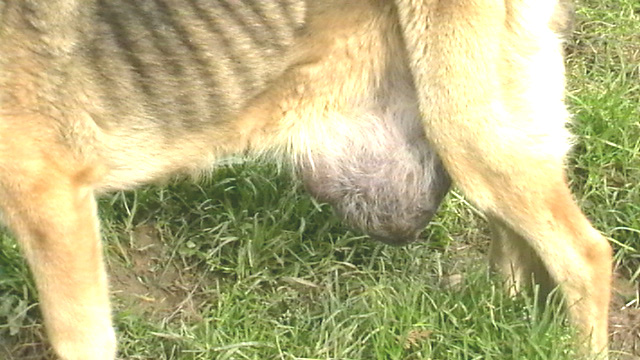
Yes, many people are surprised to discover that dogs can get breast cancer. Medically speaking, these cancers are known as mammary tumors and one will often see them in unspayed female dogs but also on occasion in males or spayed females. The sooner cancer is detected, the better the prognosis, so you can see how crucial it is for dogs to obtain a veterinary diagnosis of canine cancers.
In the event your vet finds a suspicious lump/bump/mass during physical exam of your dog’s mammary glands, they will start with a complete history and examination. Then, the extent of the disease and whether it has spread (metastasized) to other organs such as the lungs or lymph nodes can be determined with diagnostic imaging including X-rays or ultrasound.
A tissue diagnosis is based on getting actual pieces of the tumor. This is usually done with a mammary tumor biopsy in dogs—either by removing cells using a fine needle (a method called fine needle aspiration) or surgically excising a small piece of tissue to study. The biopsy is how pathologists can say if the mass is benign or malignant.
With the union of imaging for pet cancers and biopsy results, veterinary oncologists can be more precise with staging of disease, thus directing pet owners concerning treatment kind. Check-ups and Intervention Canine breast cancer detection is key to successful treatments, and regular check-ups with a vet significantly improve early intervention on dog lumps for enhanced outlooks.
Dogs can get breast cancer, also called mammary tumors. This isn’t a topic that comes up frequently among dog owners, but it’s important to be aware of. These tumours are generally observed in unspayed female dogs, however males and spayed females can also have them(although it is less common). Early intervention is key in preventing the worst cases, so regular checkups and immediate visits to your veterinarian if you find something suspicious are crucial.
When veterinarians discover a suspicious mass on a dog’s mammary glands, they start out by taking a detailed history and giving the animal a physical examination before investigating with diagnostic imaging such as X-rays or ultrasounds to determine how far a disease may have spread throughout the body. Diagnosis ultimately relies on tissue procurement via fine needle aspiration or surgical biopsy in order to differentiate benign from malignant lesions.
The imaging/biopsy combo allows veterinarians to stage the cancer accurately, which is guiding them in counseling pet owners through their treatment options. Ultimately, early medical intervention by the veterinary community has a strong potential for extremely positive outcomes as breast cancer in dogs takes on an equally of paramount importance and highlights that professions vital role to protect our petÂ’s health.
Therapies for Canine Mammary Gland Cancers
Whenever, when a pet owner asks:” Can dogs get breast cancer? the answer is yes—mammary tumours are one of the most frequently diagnosed cancers in female dogs, particularly those who haven’t been spayed. Lucky, that there are few of the treatment that can aid in managing and curing this ailment.
Dog mammary neoplasm still requires surgical management as the best option. Based on the size, number and location of tumors, a veterinarian might recommend removing only the tumor (lumpectomy) or more extensive surgery to remove diseased mammary glands. Early diagnosis is critical for successful surgical management.
Another possibility that can also extend your pet’s life is chemotherapy, especially if the cancer has spread beyond the mammary tissue. Your veterinarians may recommend other types of chemotherapy that are specific to your dog’s condition and type of tumor. Although there are side effects, these are usually milder in the dog than in humans.
Complete treatment for canine breast cancer may involve surgery followed by chemotherapy or radiotherapy, if required. There are a number of ways to treat oral tumours in dogs and your vet will consider the age, general health of your dog along with stage of the tumour before deciding on a treatment plan that is as individual as your pet.
Several pet owners also research holistic remedies for pet cancer in addition to traditional treatments. These may involve adjustments to the diet to boost immunity, herbal supplements and acupuncture under veterinary supervision, and stress relieving techniques that will improve your dog’s quality of life.
If you believe your pet may be at risk or are showing symptoms such as lumps near the mammary area and unusual changes in appetite and behavior, make sure to schedule an appointment with your vet right away. Step in early and make a difference for prognosis and to ensure you’re providing the best care possible for your cherished friend by not letting the situation get out of hand.
How To Prevent: How to Lower Your Dog’s Risk of Developing Breast Cancer
Some pet owners wonder, “Can dogs have breast cancer?” The answer is yes … mammary gland tumors (mammary cancer or breast cancer) in dogs are quite common. Fortunately, a little bit of proactive planning can help protect your dog in the long run.
Spaying Your Dog and the Prevention of Cancer:
The best preventative measure against breast cancer in female dogs is to spay a dog before her first heat cycle. Early spaying will significantly reduce the possibility of a dog developing mammary cancer in her later years. If your dog is not spayed already, ask your veterinarian when it will be the best time for this important procedure.
Pet Health and Nutrition: Tips on Diet and Lifestyle:
A well-rounded diet for your dog also contributes to the maintenance of an ideal body weight and optimal overall health. Obesity has been associated with a higher risk of many health problems — including certain cancers. Feed your dog a healthy diet suitable for their size and activity level, and get them adequate exercise through walking or playing to keep them active and healthy.
Early Detection With Regular Vet Checkups:
Regular visits to the vet are important in identifying any health issues, including breast cancer, early. Your vet is going to be thorough during physical exams, and may suggest further screening for a dog that is getting older. During visits, check your dog’s mammary area for abnormal lumps or swelling in dogs and be sure to report any changes to the veterinarian immediately.
Paying attention to possible risks such as breast cancer in dogs and practicing these prevention tips -spaying when young, living a healthy lifestyle, visiting your vet- will help keep your pet healthy in the long run.
Conclusion: What to Do—Preventing Breast Cancer in Your Dog
It is important for pet owners to know that yes, dogs can develop breast cancer. Like with people, early detection is life-saving when it comes to pets. If you notice any irregular lumps, swelling or changes in behavior or appetite in your dog, don’t delay: These could be signs of breast cancer or other health issues. The sooner the intervention, the better for your dog’s treatment and standard of living. If you see anything unusual, consult your veterinarian immediately. By being diligent and proactive with your dog’s health, you can help make sure that they are around longer to share in your life.
It’s important for animal lovers to understand that dogs can get breast cancer just like people and awareness can lead to early detection. Watching your dog closely for signs of discharge, lumps, swelling, or sudden changes in behavior and appetite can make the difference between life and death. These are the signs of breast cancer and other life-threatening diseases that need to be treated with days: The earlier we can start intervention, the better chance of it working and also improves your dog’s quality of life.
Whether a simple tummy upset or more serious infection, discussing early symptoms with your vet will give you the best shot at catch the issue before it gets that complicated. Staying alert and proactive, however, in attention to your dog’s health concerns is a powerful protection for your dog. And those watchful eyes encourage big and small dogs to live a longer and more vibrant life at home with you.

