


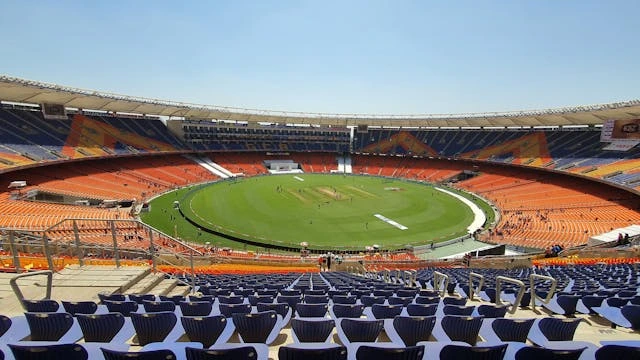
India vs Pakistan Showdown Crowd Scale is no more a mere statistic but an image that cricket goes beyond boundaries, politics and mundane. Extraordinary story is behind the figures on show at the ICC Men’s T20 World Cup Showdown between arch-rivals India and Pakistan at Colombo tonight: no fewer than 18,000 Indian spectators, 12,000 Pakistani spectators and a force of 2,000 Sri Lankan police for this one match.
This is not just a sporting game. It is a mass of men and emotions, identities and national prides driven onto a cricket field but containing players and people from either side of subcontinental borders.
A Match That Redefines “Big Game”
Cricket has plenty of rivalries, but few come close to the size or heat of India vs Pakistan. Each meeting is suffused with history, emotion and global interest. It elevates the regular status of World Cup competition when these two teams get together.
The Colombo match is a case in point. Thousands of fans are moving across international borders, not for a holiday or festival but to watch some cricket for an hour or two. That much goes a long way to explain why this contest is described as one of the greatest spectacles in world sport.
The Comforting Nature of Crowd Numbers: Why They Matter
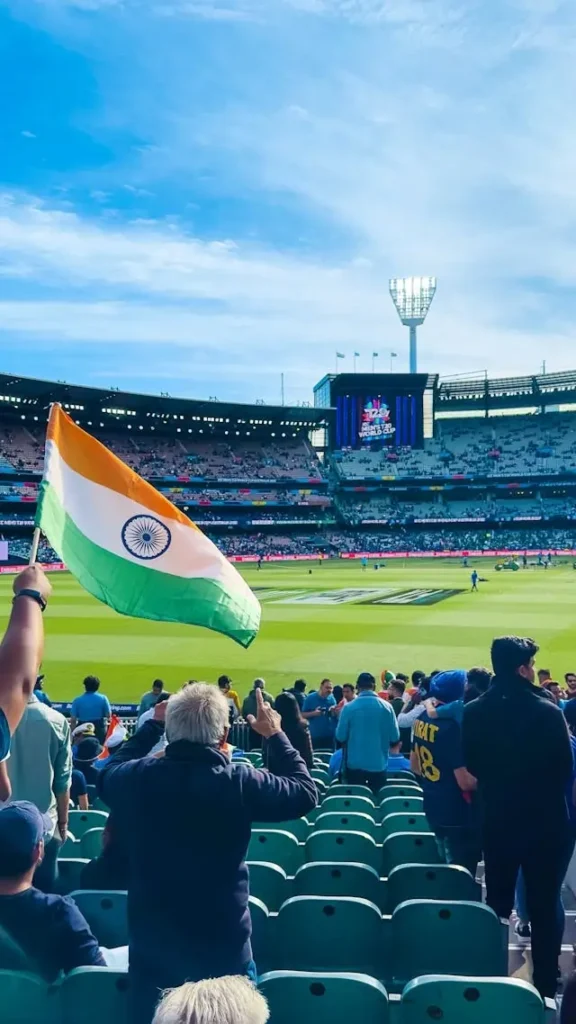
The numbers themselves 18,000 Indians and 12,000 Pakistanis are not only significant in sheer size, they are also representative.
These are not just local fans popping in for a match around the corner. These are fans who:
- Booked international flights
- Arranged accommodation
- Took time off work
- Planned trips months in advance
This is dedication and underlines the lack of India-Pakistan games due to absence of bilateral cricket. This World Cup meeting is the only chance most will have to watch this grudge match take place.
Colombo – a Word Cup host capital Under the world’s watchful eye
Sri Lanka’s capital is the setting of this high-voltage clash, and Colombo achieved notoriety as the host of international cricket teams here. But the magnitude of this game makes it an even grander task for another city.
And Colombo is not just where a game is being hosted:
- Dozens of thousands of foreign visitors
- Global media coverage
- Heightened security operations
- Intense emotional investment from fans
This is an opportunity and a burden for Sri Lanka: to show its mettle as a neutral host, ensuring safety, fairness and smooth logistics.
The Presence of 2,000 Sri Lankan Police: Not Just Normal Security
The 2,000 strong presence of the Sri Lankan constabulary is an indicator of how seriously this game is being taken by officials. This is not your run-of-the-mill crowd-control maneuver.
Security planning includes:
- Stadium perimeters and entry checks
- Crowd segregation to prevent flashpoints
- Watching fans travel from hotels to arenas
- surveillance of the public and transportation system
- Rapid response teams for emergencies
The aim is not simply to prevent violence, but also to keep extreme passions from spilling over into disorder. Cricket rivalry is alive but it has to be peaceful.
Why India–Pakistan Matches Require Extra Security
India Vs Pakistan games are always emotionally charged. The majority of fans are peaceful, but passions can boil over if tension is not handled correctly, as history has shown.
Authorities plan for:
- Provocations between fan groups
- Overcrowding and bottlenecks
- Alcohol-related disturbances
- Political slogans or gestures
- Medical emergencies in packed stands
Sri Lankan authorities hope to ensure that an exuberant mood of revelry, will be kept peaceful with the heavy deployment of police.
Cricket and Identity in South Asia: Why Thousands of Fans Traveled Across the World
To Indian and Pakistani fans, cricket is not just entertainment; it’s identity.
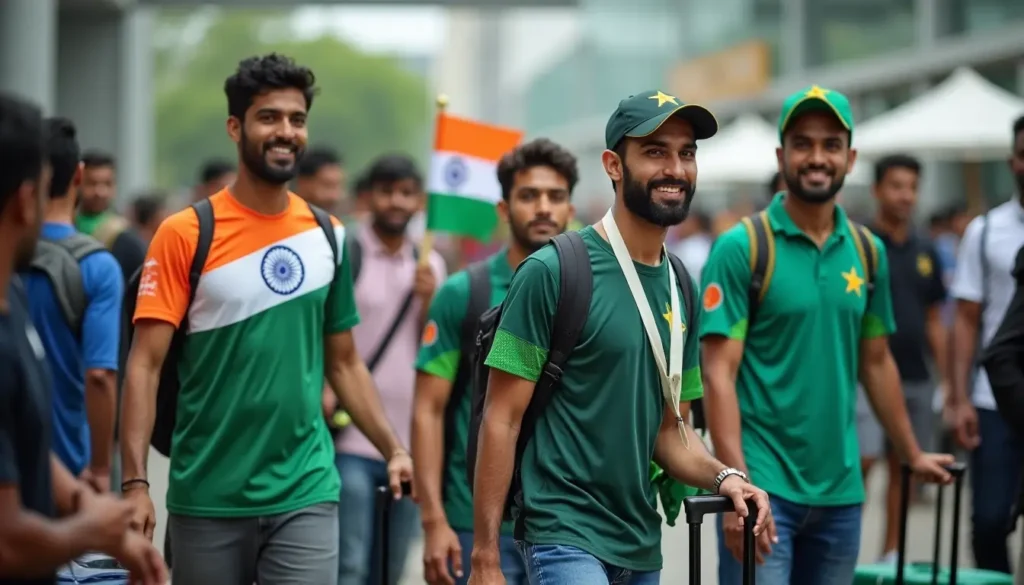
Fans travel because:
- India–Pakistan matches are rare
- The rivalry connects generations
- Watching live creates lifelong memories
- It just doesn’t translate to the small screen
For many of those in the crowd at this game, it was the great World Cup battles from yesteryear, the iconic innings and dramatic finishes that they had grown up on. Going into the stadium is how they become part of what becomes history.
Economic Impact: Colombo’s Cricket Windfall
The arrival of more than 30,000 foreign fans is a boon for Colombo as well.
Local benefits include:
- Fully booked hotels and guesthouses
- Increased restaurant and transport demand
- Tourism activities beyond match day
- Temporary employment opportunities
For small businesses, an India–Pakistan match is like a big festival weekend. The economic impact ripples far beyond the gates of the stadium.
Media Attention and Global Viewership
International Indian-Pakistan matches tend to break viewership records. Television companies throughout Asia, the Middle East, Europe and North America broadcast that fixture to the hills.
The Colombo showdown attracts:
- Wall-to-wall television coverage
- Live digital streaming worldwide
- Non-stop social media engagement
- Global sports headlines
This focus places undue pressure on the players but also explains why cricket boards and the ICC bend over backwards to ensure that the match proceeds smoothly.
Inside the Stadium: Atmosphere inside the ground should be electric.
Expect:
- Blue and green jerseys in waves
- Flags of all Nations waving in every stand
- Chants echoing with every boundary
- Deafening roars for wickets
- Swings from one extreme to the other every over
This isn’t club or franchise cricket, it is national fervor personified. For non-partisan observers it’s intense when India and Pakistan clash on the field.
Players under the spotlight: Performance on scale with pressure
For players, the magnitude of occasion carries enormous psychological weight. An error in an India-Pakistan match is hyper-charged beyond the ordinary.
They must manage:
- Crowd noise and expectations
- National scrutiny
- Social media reaction
- High-stakes tournament context
Veteran players often describe managing nerves as important as technique in games like that. Careers can be made in one composed innings or disciplined spell of bowling.
Why This Game Is Bigger Than Cricket
The match itself may span only a few hours but it represents so much more than just the numbers on the board.
India–Pakistan cricket matches:
- Reflect broader cultural connections
- Offer a unique opportunity for friendly competition
- Make room for shared passion, even among political rivals
- Unite millions in collective experience
With the world fragmenting frequently on the lines of borders and ideologies, cricket is one arena in which competition remains fierce but symbolic rather than ruinous.
Crowd Management as a Case Study
The Colombo match will likely be studied as a case example in:
- International sports security
- Cross-border fan movement
- Mega-event policing
- Neutral venue diplomacy
A stadium full of 30,000+ visiting fans from different nations is not an easy crowd to handle. Success here will provide the standard for any future international competitions.
Lessons From Past India–Pakistan Encounters
Lessons to be learned from past World Cup confrontations:
- Clear communication reduces misunderstandings
- Visible security reassures fans
- Fan engagement activities ease tension
- Neutral hosting builds trust
Organizers in Colombo are using these lessons to make sure the event is festive and not confrontational.
The Implications for Future ICC Events
The scope of a clash such as this one explains why India-Pakistan clashes still define at least part of every ICC tournament. The global fan appetite is undeniable, even amid political complexities.
For future events:
- Neutral venues may remain essential
- Advanced security preparation will be the norm
- Fan experience will become more of a priority
- Diplomatic coordination will be critical
Cricket administrators know these games are not optional fillers they’re the heartbeat of global cricket economics.
Conclusion: A Rivalry, Counted in People but Also in Runs
There is always a little more to the battle that India and Pakistan, simply about winning or losing. The showdown between the traditional rivals in Colombo is no different. It is about 18,000 Indians, 12,000 Pakistanis and some 2,000 police officers meeting over their shared love of cricket.
This game shows that sport can inspire people in a way few things can, transcending barriers that politics sometimes cannot. It is raw, emotional and at times overwhelming but it also serves as a reminder of cricket’s place in South Asian culture.
The world will be watching when the first ball is bowled. But long after that last over, the memory of an occasion and a gathering such as this will live on among the defining moments of the tournament.