

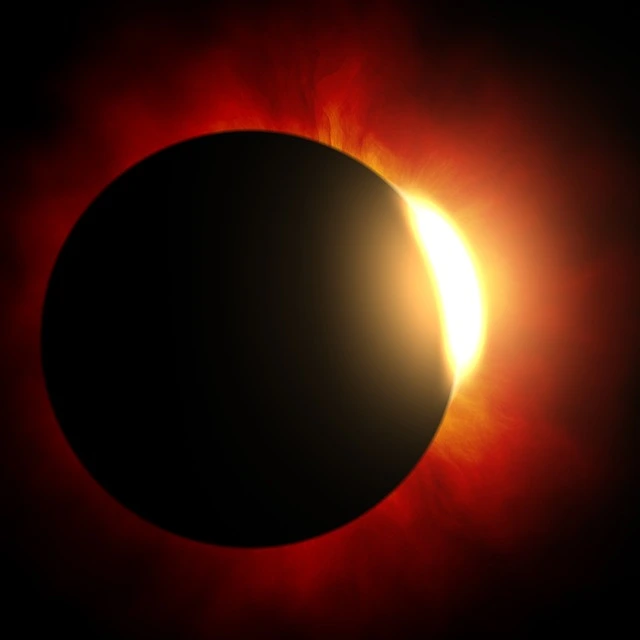
When the Sun Disappears the First Solar Eclipse of 2026 in India
The first solar eclipse of 2026 in India isn’t just another date on the calendar it’s the kind of event people talk about for years. Picture this: you’re standing outside, and the Moon starts sliding in front of the Sun, casting an eerie shadow across the land. It doesn’t matter if you’re into astronomy, a parent hoping to wow your kids, or just a student who wants a front-row seat to science in action this Surya Grahan is something you’ll remember.
Every solar eclipse feels like the universe hitting reset, reminding us how perfectly everything moves up there and how small we really are. This one will cross specific parts of India, turning a worldwide event into a personal experience for millions. This guide breaks down everything you need to know: when and where to watch, how to stay safe, the traditions wrapped around eclipses, tips for snapping the best photos, and what to do if the weather doesn’t play along.
What Is a Solar Eclipse? The Science Behind the Spectacle
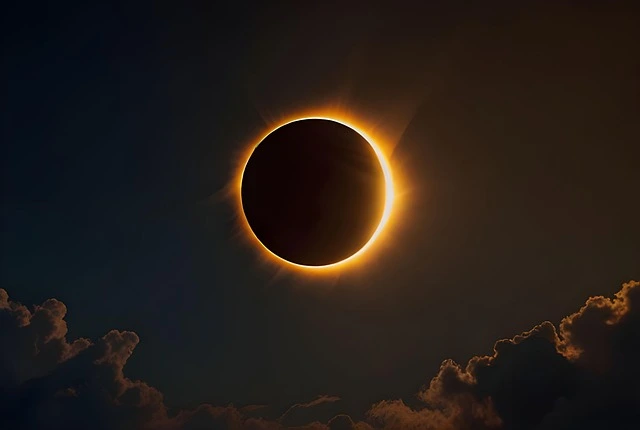
Before we get into schedules and cities, let’s clear up what’s actually happening during a solar eclipse. It’s simple, really the Moon moves right between us and the Sun, blocking its light and throwing part of the Earth into shadow. What you see depends on how everything lines up:
Types of Solar Eclipses
• Partial Solar Eclipse – The Moon covers just a piece of the Sun.
• Total Solar Eclipse – The Moon covers the Sun completely and, for a few minutes, it’s like night in the middle of the day.
• Annular Solar Eclipse – The Moon doesn’t quite cover the Sun, so you get that wild ring of fire around the edges.
On February 17, 2026, which eclipse you get to see in your part of India depends on the weather and exactly where you are. Some places might get a deep partial eclipse, others something closer to total. Either way, it’s worth stepping outside for.
When Is the First Solar Eclipse of 2026 in India?
Mark your calendar: February 17, 2026, a Tuesday morning. That’s when the show starts. Depending on where you live, the timings shift a bit, but the action happens early, so you’ll want to be ready before sunrise. Solar eclipses move fast they don’t last long, and you don’t want to miss a second by being late.
Here’s a ballpark idea for the big cities (local time, but check for updates when the day gets close):
| City | Partial Eclipse Begins | Maximum Eclipse | Partial Eclipse Ends |
| Delhi | 7:10 AM | 8:25 AM | 9:35 AM |
| Mumbai | 7:05 AM | 8:20 AM | 9:30 AM |
| Kolkata | 7:15 AM | 8:30 AM | 9:40 AM |
| Chennai | 7:00 AM | 8:10 AM | 9:20 AM |
Where in India Will You See It Best?
Your view depends a lot on where you are and, of course, on the weather. For this eclipse, folks in northern India (think Himachal Pradesh, Uttarakhand, Punjab), central regions (like Madhya Pradesh, Uttar Pradesh), eastern states (Bihar, Jharkhand, West Bengal), and some parts of Gujarat and Rajasthan are in for the best show.
If you’re in the southern coastal states, you’ll still catch the eclipse, but it might not be as dramatic. The angle and timing of sunrise make it a little less intense down there.
How to Watch the Eclipse Safely (Seriously, Don’t Skip This)
You’ve probably heard this a million times, but it’s worth repeating: never, ever look straight at the Sun without proper protection not even for a split second. It can wreck your eyes for good.
Here’s how to watch the 2026 eclipse in India without risking your vision:
- – Get certified solar eclipse glasses (look for ISO 12312-2 on the label). Ordinary sunglasses won’t cut it.
- – Make a pinhole projector. Grab some cardboard and foil, and you can safely project the Sun’s image onto paper. It’s a fun DIY for kids, too.
- – If you’re snapping photos or using binoculars or telescopes, only do it with a proper solar filter on every lens.
DO NOT use
- Sunglasses
- CDs or DVDs
- Smoked glass
- Exposed film
They might seem safe, but they let in dangerous rays. Stick to the real safety gear, and you’ll get to enjoy the eclipse without any regrets.
Step-by-Step Guide for Solar Eclipse Viewing
Here’s how your morning could go if you want to catch the first solar eclipse of 2026 in Delhi:
- 6:30 AM – Roll out of bed, grab your eclipse glasses and any gear you want.
- 6:50 AM – Head to your chosen viewing spot.
- 7:10 AM – The partial eclipse kicks off.
- 8:25 AM – This is it: maximum eclipse.
- 9:35 AM – The Moon moves on, and the Sun shines fully again.
Getting to your spot 20 to 30 minutes before things start gives you time to settle in and skip any last-second scramble.
Cultural Significance: Surya Grahan and Indian Traditions
In India, a solar eclipse Surya Grahan isn’t just a science event. It’s steeped in myth and tradition. For generations, people have followed rituals like fasting, avoiding sunlight, bathing afterward, and chanting or praying during the eclipse. These customs run deep, but scientists are clear: nothing replaces using proper eye protection or smart planning. For families, the eclipse is a great excuse to get kids curious about the sky, talk about science, and just be outside together.
Photography Tips – Getting the Best Eclipse Shots
Want to photograph the eclipse? You’ll need a little prep, whether you’re using a phone or a proper camera.
With a smartphone:
- – Pop a solar filter over the lens.
- – Tap the screen to focus on the Sun.
- – Lock the exposure if your phone lets you.
With a DSLR or mirrorless camera:
- – Mount it on a tripod.
- – Use a solar filter on the lens.
- – Shoot in manual mode if you can.
Don’t ever shoot without a solar filter or look at the Sun without eye protection. Practice ahead of time, too. The real thing moves fast, and you get just a few minutes to nail your shot.
What If It’s Cloudy – Backup Plans
Sometimes, clouds just won’t cooperate. If the sky’s blocked, don’t stress. You’ve got options:
- – Watch a live stream from a space agency or observatory.
- – Check out real-time eclipse maps online.
- – Set up a group viewing indoors with projection tools.
Even with clouds, you’ll notice the light and shadows changing. That’s still pretty cool to see.
Astronomy Events Happening with the Eclipse
A solar eclipse rarely comes alone. Keep an eye out for planetary lineups, a glimpse of the Moon after the main event, or early morning star patterns. Sometimes, astronomy clubs in India put together sky watching or education sessions that tie into the eclipse so you get science plus a little fun.
Comparing Past Eclipses to 2026
India has seen eclipses before, but each one is different. In 2019, parts of the country caught a partial eclipse. The 2026 event, though, will cover a wider area especially in central and northern India and bring better chances for a clear view. Looking back at previous eclipses helps sky watchers know what to expect and plan smarter, especially if travel or weather is a concern.
A Family Memory in the Making
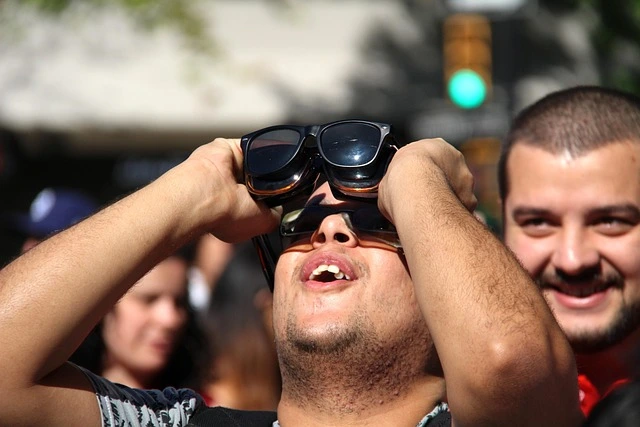
This eclipse isn’t just for scientists or hardcore sky watchers. It’s a chance for families to make a real memory. Pack a sky guide, a breakfast picnic, certified eclipse glasses, and a camera or phone with a solar filter. Kids who see an eclipse tend to remember it for life. It’s way more inspiring than anything you’ll find in a textbook.
FAQs: 2026 Solar Eclipse in India
Q1. Will everyone in India see it?
No northern and central regions get the best view, while the south sees only a partial eclipse.
Q2. Can you watch it without eclipse glasses?
Absolutely not. You need proper eye protection.
Q3. How long does the eclipse last?
The best part is just a few minutes, but the whole thing unfolds over a few hours.
Q4. Does it affect the environment?
You’ll notice changes in light and temperature, but nothing sticks around long-term.
Q5. Will animals act weird?
Some do. When the light drops suddenly, certain species react but it’s different for each animal.
Why Catch the 2026 Solar Eclipse in India?
This eclipse isn’t just about science. It’s a rare, unforgettable moment something you can share with family, reflect on culturally, or just enjoy for the sheer wonder of it. With a bit of planning and the right gear, you’re not just watching the Sun disappear. You’re witnessing a cosmic dance, a reminder that there’s a universe out there, spinning on its own grand schedule. Don’t miss it.