


Understanding the Tick Key: What Is It and Why Use One?
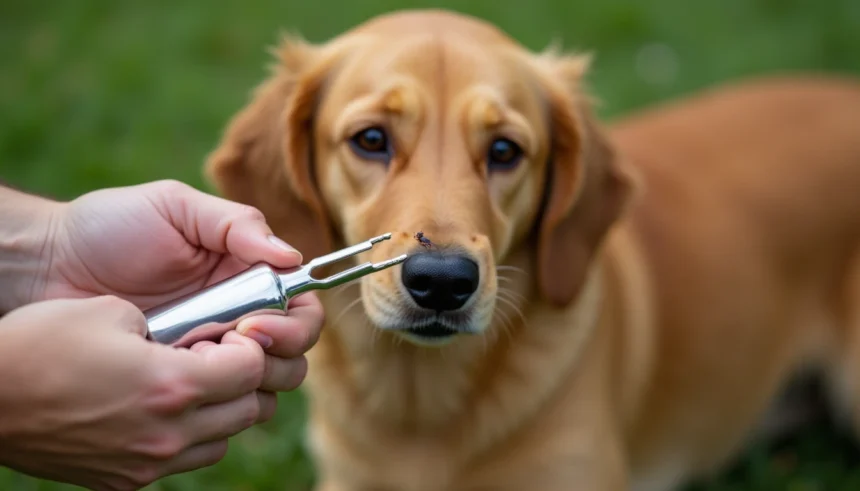
How to use a tick key: A tick key is a specially designed tick removal tool that offers a safe and effective way to remove ticks from humans and pets. Unlike traditional methods, such as tweezers or fingers, the tick key device is shaped to cradle the body of the tick while sliding under its head, ensuring complete removal without squeezing or leaving mouthparts behind.
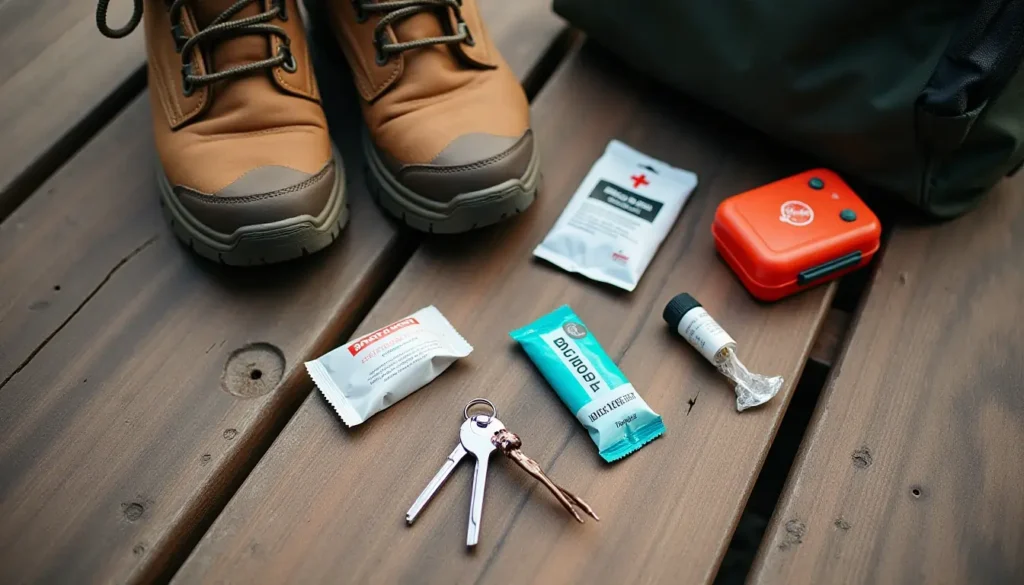
The benefits of using a tick key are significant. First, it greatly reduces the risk of disease transmission by minimizing contact with the tick’s fluids. This method also lowers the chances of breaking off parts of the tick in the skin, which can happen with improper removal techniques. The compact design makes it easy to carry on hikes, camping trips, or attach to a keychain for quick access.
Learning how to use a tick key is straightforward: simply place the large opening over the embedded tick as close to your skin as possible. Slide the tool forward so that it captures and secures the entire body of the tick in its narrow slot. With gentle pressure, continue sliding until both you and your pet are free from unwanted pests.
Using a dedicated device like a tick key ensures safe tick removal every time making it an essential addition to any first aid kit.
When Should You Use a Tick Key? Recognizing the Right Time and Situations
Ticks can pose health risks to both pets and humans, making timely removal crucial. Knowing when to use a tick key is essential for reducing the risk of tick-borne diseases. The first sign you may need to act is if you notice your pet scratching more than usual or see small, dark bumps attached to their skin common signs of ticks on pets. If you discover a tick on your own skin after spending time outdoors, it’s important not to delay removal.
Experts recommend removing ticks as soon as possible after discovering them. The timing is critical: the longer a tick remains attached, the higher the risk of disease transmission. That’s why understanding how to use a tick key can make all the difference in effective and safe removal.
Use your tick key immediately after spotting an embedded tick. Slide it under the body of the tick at skin level and pull gently upwards; this method ensures that you remove both the head and body without leaving mouthparts behind. Swift action minimizes complications from a tick bite, so always keep your tick key easily accessible during outdoor activities with pets or family members.
In summary, use a tick key promptly when you find any ticks whether on yourself or your pets to ensure fast, complete removal and reduce health risks associated with delayed action.
A Step-by-Step Guide: How to Properly Use a Tick Key
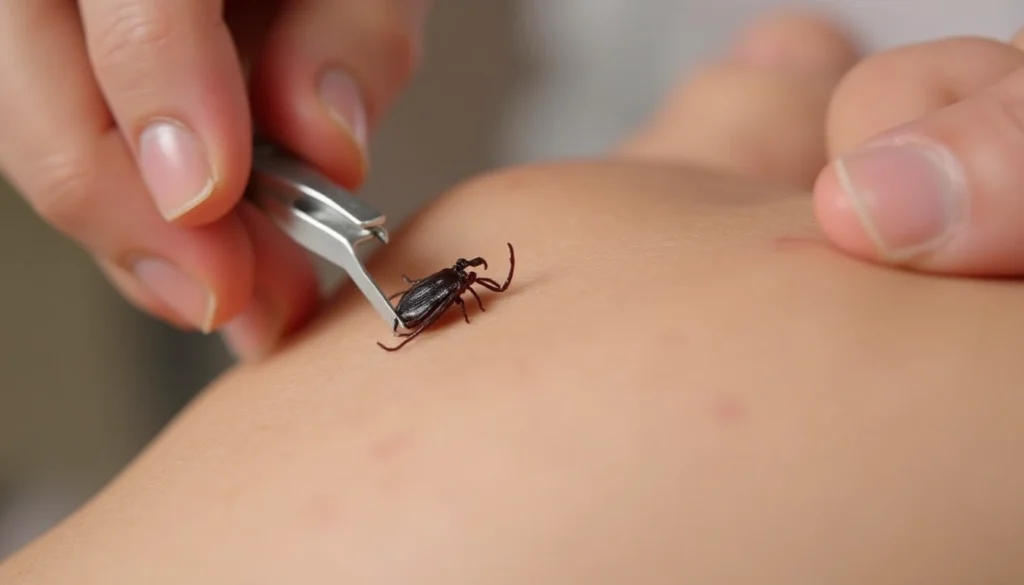
Knowing how to use a tick key correctly is essential for safely removing ticks and reducing the risk of infection. Here’s an informative, step-by-step guide to ensure you use this handy tool effectively:
1. Identify the Tick and Prepare Your Tools
Before reaching for your tick key, make sure you can clearly see the tick on your skin or your pet’s fur. Wash your hands thoroughly and have disinfectant ready for after removal.
2. Position the Tick Key
Slide the narrow end of the tick key as close to the skin as possible, making sure that the tick fits into the slot. The broad part of the tool should rest against your skin.
3. Slide and Remove
Gently pull or slide the tick key along your skin in one steady motion do not twist or jerk. This action will trap and lift out the entire tick, including its mouthparts.
4. Dispose of the Tick
Once removed, place the tick in a sealed container if you need to save it for identification, or flush it down the toilet if disposal is preferred.
5. Cleanse and Monitor
Cleanse both your hands and affected area with soap and water or antiseptic. Keep an eye on any irritation or signs of infection at bite site over several days.
By following these steps on how to use a tick key, you ensure safe removal with minimal discomfort and lower chances of leaving behind mouthparts that could cause further issues. Always consult instructions provided with your specific tool for best results when removing ticks with a tool like this trusted device.
Common Mistakes to Avoid When Using a Tick Key
Proper tick removal is crucial for preventing infections and complications. While the tick key is an effective tool, improper use can lead to common mistakes that compromise safety. One frequent error is twisting or jerking the tick out; this increases the risk of leaving mouthparts embedded in the skin, which may cause irritation or infection. Instead, always follow safe practices for removing ticks: slide the tick key slot over the tick as close to the skin as possible and pull upward with steady, even pressure.
Another mistake is using a tick key on ticks that are too small for its groove this can result in incomplete removal. Be sure to verify that your tool matches the size of the tick before proceeding. Avoid using household items like tweezers or fingers when you have a proper tool available, as these methods often squeeze or crush ticks, raising disease transmission risks.
Learning how to use a tick key correctly is essential. Read instructions carefully and keep your hands steady during removal. By avoiding these common pitfalls and practicing safe techniques, you can ensure efficient and safe tick removal every time.
Caring for Your Pet or Yourself After Removing a Tick
Proper wound care after tick removal is essential to prevent infection and promote healing, whether the bite was on you or your pet. After using a tick key to safely extract the tick, start by gently cleaning the area with mild soap and water. This helps remove any bacteria left behind and reduces the risk of irritation.
For both humans and pets, monitor the bite site closely over the next few weeks. Watch for signs of infection such as redness, swelling, warmth, or discharge. If you notice these symptoms or if a rash develops, contact your healthcare provider or veterinarian. It’s also wise to keep an eye out for symptoms like fever, fatigue, or joint pain, as these may indicate a tick-borne illness.
Pet care post-tick bite involves extra vigilance. Ensure your pet isn’t excessively scratching or licking the area where you removed the tick with your tick key. You might want to apply a vet-approved antiseptic ointment to support healing. Lastly, remember that prompt action and careful monitoring are key steps in preventing complications after removing a tick from yourself or your furry friend.
Ticks may be tiny, but their bites can lead to serious health concerns if not handled promptly and safely. Diseases from ticks such as Lyme disease, Rocky Mountain spotted fever, and ehrlichiosis are on the rise, making awareness and prevention more important than ever. One crucial step is knowing how to remove a tick safely improper removal can increase your risk of infection.
A highly recommended tool for safe tick removal is the tick key. To use a tick key effectively, place the key’s large opening over the tick as close to your skin as possible. Slide the key forward so that the narrow end gently secures under the tick’s body. Continue sliding until the tick releases its grip on your skin avoid twisting or jerking, which can leave parts of the mouth behind.
After removing a tick, clean the bite area with soap and water or an antiseptic. Monitor for signs of illness such as rash or fever in the weeks following a bite, and consult a healthcare provider if symptoms appear.
Prevention is just as important as safe removal: wear long sleeves and pants in grassy or wooded areas, use EPA-registered insect repellents, and perform regular tick checks after outdoor activities. Keeping tools like a tick key handy ensures that you’re always prepared for prompt action a simple measure that can help prevent disease from ticks and keep you healthy year-round.
Conclusion: Stay Prepared Why Every Outdoor Enthusiast Needs to Know How to Use a Tick Key Effectively
For anyone who enjoys spending time in nature, understanding how to use a tick key is an essential skill. Ticks can carry diseases such as Lyme disease, and their bites often go unnoticed until it’s too late. A tick key provides a simple, reliable way to remove ticks safely and effectively, minimizing the risk of infection or complications. By learning the correct technique sliding the tool under the tick and pulling it out steadily you ensure that you remove the entire tick without leaving parts behind.
Staying informed about how to use a tick key not only protects your health but also gives you peace of mind during your outdoor adventures. With this small but crucial tool in your pack, you’re prepared for any encounter with ticks, allowing you to focus on enjoying nature safely.