



Introduction: When Faith Meets Questioning
Mana Shankara Vara Prasad Garu review analysis are on a rise and it’s not for no reason. At a time when the mainstream Telugu cinema is dominated by spectacle and star-driven stories, this film sneaks in as a quietly riveting storyteller. It doesn’t shout its message. Instead, it’s a low murmur of unsettling questions about belief and morality; about the relationship between devotion and blind faith.
The title itself evokes reverence. “Shankara Vara Prasad Garu” -‘Garu’ is a respectful naming add-on in Telugu, so he must be someone who people look up to, it could be a sage, a senior citizen or may be the most wisest person or a creditor whose words direct the number of lives! With the addition of “Mana” (Our) gets it intimate, virtually possessive, like the character belongs to the people around us. That one word is the emotional register for the movie. This is not the tale of one man. It’s a tale about how society decides who will be its heroes, who are its gods and sometimes, what amount to its illusions.
This review offers commentary on the film’s story, acting, direction, music, themes and unanswered questions. More vitally, it discusses why we should look at Mana Shankara Vara Praasad Garu not just as cinema, but also as social commentary.
Overview: The Man on the Pedestal
What is It About: At its heart, Mana Shankara Vara Prasad Garu is about this saint-like man whose powers aren’t confined to a temple or ashram. He is not just a preacher; he is a moral arbiter for tens of thousands. His blessing is sought by people before they make any important decision in life. Politicians want his endorsement. Families feel their future is more secure under his spiritual tent.
The contours of how that image is constructed emerge in the film at a languorous pace. We see him as a kind of benevolent Moses, someone who speaks softly but unmistakably with authority. His words are recited like scripture. His still silence is considered as wisdom. In the first half we’re almost being asked to accept him on his disciples’ terms.
But neither is the story skin deep. But as the film goes on, the fissures spread. Small inconsistencies in his actions. Little contradictions between his preach and practice. These are not dramatic revelations; these are quiet, disconcerting observations that weigh heavier over time.
It’s a portrait painted in varying points of view by the screenplay. All manner of devotees, skeptics, insiders and file-footed villagers contribute pieces of the puzzle. This layering of storytelling helps to render the character a real and not just symbolic presence. He’s not really a “villain” as we traditionally understand the term, nor is he an entirely unsullied saint. He’s all too human, and it’s his humanity that really drives the story.
Subtle Sensibilities in Direction and Screeplay
What works in favour of Mana Shankara Vara Prasad Garu is its subtle direction. The filmmaker mostly, admirably avoids sensationalism. No yelling and screaming, no melodramatic reveals. Instead, the camera observes. It hangs on faces, on pauses, on the moments when silence speaks more than dialogue.
The screenplay is engineered like a slow-burning investigation. It doesn’t prejudge its protagonist. The intrigue unfolds in small doses, allowing the viewer to draw conclusions over time, rather than revelation after grand pronouncement. This is a form that mirrors life, where the truth about powerful people doesn’t always come to light because of some scandal that suddenly explodes but gradually as doubt accumulates.
The pacing is deliberate. (It might go slow, some people may think, but that slowness is necessary.) It creates space for reflection. It gives each scene’s emotional weight time to settle before moving on. It has the courage to trust that the audience will keep watching even if they’re not continually being fed filmic stimulants; it’s a rare thing in today’s world of mainstream commercial movies.
Performance Analysis: The Weight Of Authority
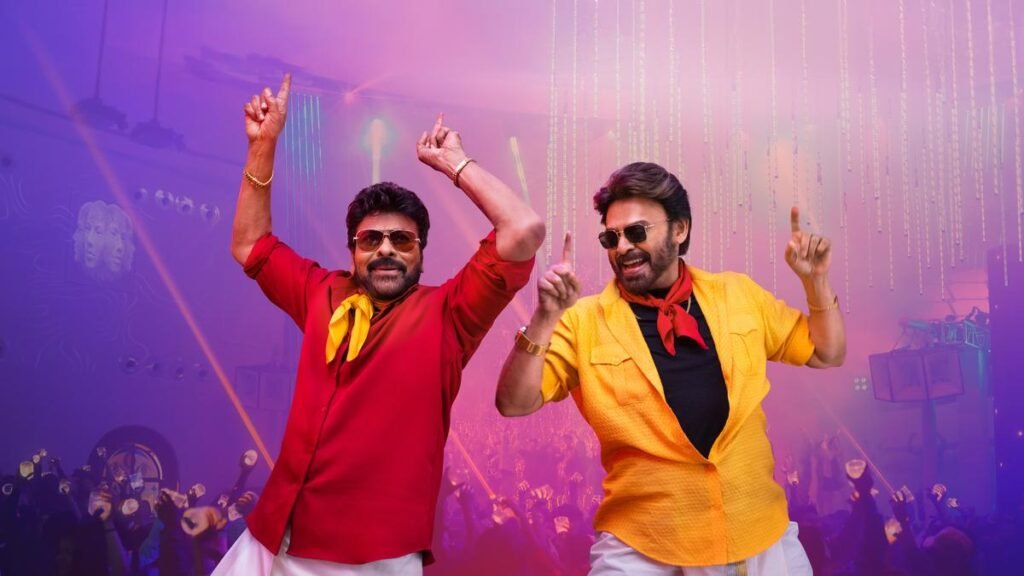
It is the actor essaying Shankara Vara Prasad Garu that shoulders Savaari diligently, without going overboard. His act is based in nuance, not theater. The slightest nuance, the lingering stare or wry smile often says far more than any number of speeches.
His portrayal works for having a combination of warmth and distance. Being a spiritual guide he has to be within reach but there is always an intangible distance between him and his devotees. The actor carries this tension throughout and makes the character feel both reassuring and threatening.
Supporting performances also deserve mention. The devotees are not presented as simplistic caricatures. They are portrayed as people who believe in hope and fear, and the longing for some signpost. Even the skeptics are not rebels at heart. They are thoughtful and conflicted, constantly divided between their reverence for tradition and their hunger for truth.
This emotional credibility is what prevents the movie from becoming just a didactic screed. It is a human drama that happens to be a philosophical debate.
Themes and Signs: Going Deeper Than The Story
Faith and Power:
The dominant theme of the movie is faith and power. When belief is shared and absolute, it can change the course of destinies. The story examines the way that this power can elevate, but also how it can be abused, even unintentionally.
The Psychology of Devotion:
Why do we look to spiritual figures? The film posits that in uncertain moments, people crave certainty. A leader who says that he has access to the truth of heaven is comforting. The story explores what this psychological need can amount to in the form of emotional dependence, where even asking is a betrayal.
Image Versus Reality:
Personalities in public tend to be very different from personalities in private. Mana Shankara Vara Prasad Garu review analysis gently underlines this division. Publicly the character is a totem of calm and wisdom, but in private you see the doubt and tiredness and moral ambiguity. This ambiguity gives depth and resists simplification.
Tradition and Modernity:
The context combines ancient rituals with modern problems. Younger members of the society question blind faith, and the elders stand by tradition. The movie isn’t about picking sides; it’s about the dynamic standing in as a dialogue of the generations.
Music and Cinematography: Setting the Meditative Mood
The music is also very bare-bones, employing soft instrumental sounds to set the meditative tone. Instead of provoking emotions, the music reinforces the story’s brooding character. Less is also made to work just as well within moments of silence, which are given space to breathe.
Tone is set equally by the cinematography. The camera alternately places the central character in wide shots that dwarf him on the crowd, and close-ups that expose his frailty. The use of natural light and earth-toned color schemes contribute to the grounded, almost documentary-like atmosphere that adds verisimilitude to the film.
Social Relevance: How This Film Speaks to Us Today

Now more than ever, with religious leaders and influencers sharing as much influence in the marketplace of ideas as any other public influencer or leader. Mana Shankara Vara Prasad Garu review analysis seems somehow current. It is not a condemnation or an exposure of any real-life person, but it encourages us to think about authority and what one owes it and vice versa.
The movie encourages a healthy skepticism without descending into cynical jadedness. It seems to be saying that faith and doubt can both exist. Respect doesn’t have to mean silence. Devotion doesn’t have to be a compromise of critical thinking.
It is this balance that gives the film its social importance. It creates space for conversation, not conflict.
Strengths of the Film
The film’s redemption is in its unvarnished honesty. It won’t be pushed into simplifying nuanced emotions and relationships. The writing treats its readers as intelligent, enabling them to make a decision rather than telling them how they should think.
The performances, and especially the lead one, bring depth to the story. From the camerawork to the sound design, the technical elements of Habeas Corpus operate in synchronicity to craft a seamless experience.
What could the makers have done better?
The glacial pacing (with thematically justified, but nonetheless testing patience) may be too much for those used to faster stories. Some subplots could have been richer to provide more point of view, especially those of younger characters who rebel against norms.
But these are small beans in a movie that is otherwise so carefully made.
Audience Reception and Impact
Early feedback is that the film works well for those who love content driven cinema. Talks about its various themes have even moved past the reviews into social media and slap boards, demonstrating that this is really something people can relate to.
Some offer words of praise for its courage in being willing to take on sensitive topics. Other readers appreciate its reluctance to offer easy answers. Indeed, the variety of responses itself is a testament to how successful the film is at making people think instead of simply providing refuge.
Final Verdict: A Thoughtful Film
In short, Mana Shankara Vara Prasad Garu is not a movie to be seen, it’s a movie to be thought. It shines in its portrayal of adult responsibility, the way God and authority should be handled reverently but with skepticism.
In the end, this Mana Shankara Vara Prasad Garu review is for a project that has honest attempt at heart. It is not for those who are looking for escapist entertainment, but if you like your films to reflect the complexities of life, then it’s a good watch.
The movie is a gentle reminder that reverence and reason don’t have to be enemies. That belief can be deep without being blind. And that, perhaps, real spirituality starts where unquestioning submission ends.
For those who like for a story to marinate long after they have finished watching the film, Mana Shankara Vara Prasad Garu is definitely a must watch.