


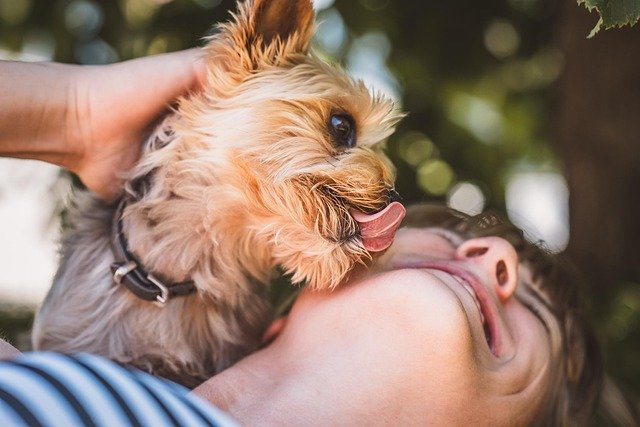
The science behind wet kisses
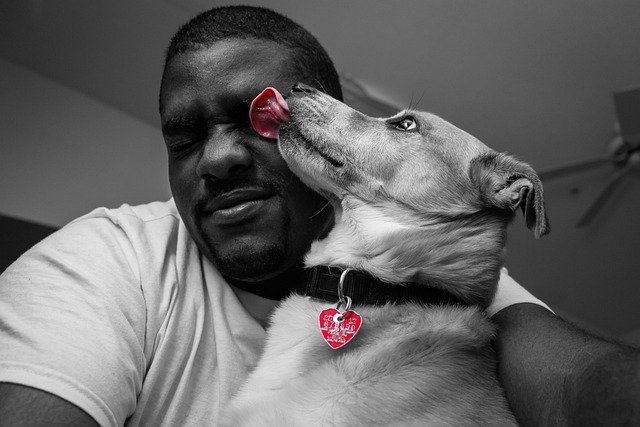
why does my dog lick me so much? It might surprise you what’s really going on. Sometimes it feels like your skin is their favorite snack spot – strange, right? Yet most pups aren’t hunting crumbs. Their wet nudges often hide quiet messages. One moment they’re tasting salt on your arm, next they’re checking if you’re okay. Affection slips out in funny ways. A nudge with the nose leads to a long, slow lick. They notice tension before you do. Watch how they pause after a deep sigh. Moisture on your hand isn’t just habit – it can be concern.
Even boredom wears a damp disguise. Ever stand still and suddenly get bathed in licks? That could be a bored brain seeking motion. Curiosity runs deep in those sniffing noses. Your evening walk leaves traces they love to trace. Evening lotion, morning coffee hands – they map your day through taste. Strange as it seems, each swipe holds clues. Not always about food. Often, it’s connection. Quiet moments speak loudest when tongues start moving.
Licking is one way dogs show affection, like saying I care without needing words. Back in nature, pups used licks to stay close to their pack and get food from mom – though that last bit faded when living with people. Your dog covers you in kisses not for meals but because it feels right to them. It’s bonding, sure, but not quiet or delicate – more loud, messy, full-body warmth
Hold on – there’s a twist. Licking isn’t just habit. It’s how dogs explore. Sweat leaves salt behind. Or perhaps popcorn dropped while watching TV. One thing is clear: that mix smells like something worth tasting.
Funny but why does my dog lick me so much. Those damp nudges often mean trust, built through generations of wolf ancestors turning into pets. Sometimes though, it is just the hint of dinner still near your mouth. Each slobbery touch holds meaning, even if part of it is curiosity about what you last ate. Warmth shows in messy ways, especially when tails wag nearby.
Tasting the good life and what makes you so appealing?
Lying there, muscles tired, when suddenly wet nose meets face – why do dogs go in for those slobbery smooches? Could be fondness. Maybe they’re drawn by the tang of sweat. One thing’s certain: their curiosity runs deep. Salt sticks. Attention follows and I still question myself why does my dog lick me so much. Each lick tells its own quiet story.
Truth hits hard: dogs know our taste better than we do. That glisten after stretching on the mat? Your pup sees it as a banquet bell ringing. Smell sharp enough to map every molecule, tongues tuned to trace hidden flavors – they come alive when salt rides your skin. Honestly, what dries on you tastes like celebration to them.
Funny how they come so close, sniff first then lick – like it’s routine. That swipe of the tongue? Not just hunger. It’s how they get to know you, piece by salty piece. You move, breathe, sweat – they taste what kind of day you’ve had. Might be strange to us, but to them, it’s paying attention. Think of it less as eating and more like reading. Your skin tells stories. And if that story ends with them nudging back for another try, well – it means they care enough to keep listening.
Paws and clues what your dog might be saying?
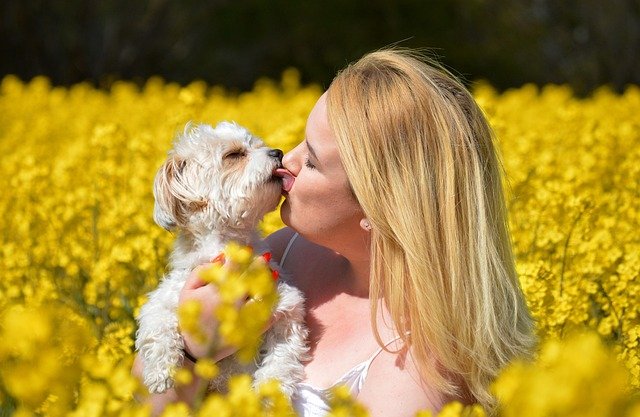
Barking isn’t their only way to talk. Sometimes wide eyes do the job better than any sound. You watch them drop suddenly onto your screen like it’s a landing pad made just for paws. That stare – soft, steady, impossible to ignore – carries more meaning than words ever could. Licking shows up often, not random, always tied to something deeper beneath the surface. Every twitch, every tilt of the head serves a purpose. They work hard to make sure we see what they need.
Licking might be how your dog sends a little note – like, “Over here! Still cute, still want hugs.” It can mean love. Or perhaps your skin reminds them of lunch earlier. One thing’s clear: each lick spells out something between fondness and food cravings.
One moment you’re on a call, the next your dog is racing past like it’s late for something urgent. Not just licking – dogs have many tricks to grab time from you. A heavy sigh drops, timed perfectly while you scroll. Then comes the collapse, right into your path, as if injured by invisible forces. Staring helps too, wide eyes locked until you look back. Fame means nothing to them, yet every move feels rehearsed for spotlight.
When your four-legged buddy crowds into view, showering you with slobber and wide eyes, consider this – there’s meaning behind those gestures. Maybe they’re asking for part of your meal. Offer head pats or tummy touches instead; connection grows through small returns of affection.
Anxiety relief through dog licking behavior
Licking you could mean your dog simply likes how you taste – salt on skin after a walk, maybe. Yet each wet touch carries more than just curiosity. Sometimes it’s about attention, like when they nudge your hand while staring hard. Other times, their tongue speaks calmness, a way to soothe themselves or you without sound. Scientists see patterns in these gestures, small rituals rooted in puppyhood. Emotion runs through every swipe, whether it’s trust, worry, or pure habit. That goofy grin afterward? Just bonus.
Now here’s a funny thing – when storms roll in or that loud machine turns on, some dogs start doing odd little dances around the room. You might notice them making soft sounds, walking back and forth without reason, even opening their mouths wide like they’re tired though it’s noon. Another clue hides in how often they lick things – furniture, floors, your hand. That steady tongue motion? Not about cleaning. It helps them feel grounded, much like people fidgeting with keys or chewing on pens when nerves kick in.
Licking isn’t only a human thing – dogs do it plenty. Paws get cleaned, sheets get damp, that weird couch stain grows soggier. Each swipe of the tongue is quiet relief when stress creeps close. When your dog laps at nothing mid-film, think slow breaths disguised as wet nudges. Affection shows up messy, often salty, always sincere.
The Canine Clean-Up Crew Might Be Grooming You?
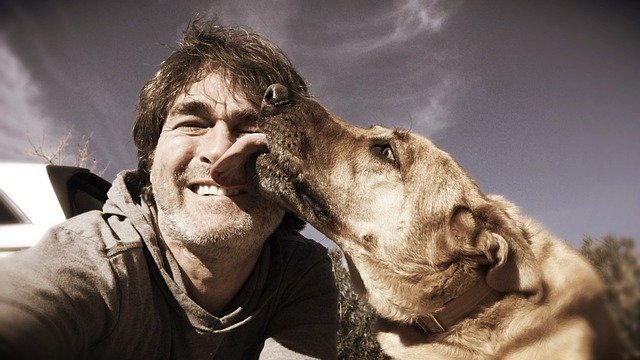
Licking you? That’s just how dogs say they care. Some folks find their couch turned into a slobber zone before breakfast. Turns out, most pet owners get coated in puppy saliva daily. It’s not random – dogs sniff out emotions, then go to work with their tongues. One theory says salty skin tastes good to them. Another points to ancient wolf habits creeping into modern homes. Your arm might be dinner, comfort, and gossip column – all at once.
Licking comes natural to dogs, yet it means more than cleanliness. Out there beyond backyards, canines tidy up through teamwork – mothers groom young ones, brothers and sisters exchange wet nuzzles, each playing a part without thinking twice about it. That sudden swipe across your chin? Not random at all. It ties back to belonging, not affection or attention seeking. When crumbs vanish from your skin mid-conversation, realize this: you’re seen as family, nothing less.
Fur aside, you fit right into their world – just not great at shaking tails like they do. Their licks? A quiet claim: “This group is yours too.” You might be past needing someone to clean around your ears (appreciated, but no thanks, Fido). Still, when dogs groom people, it ties them closer, bonds strengthened through touch. Wondering why the tongue keeps coming? See it this way: to them, kinship runs deep – and hey, maybe hygiene could use a boost.
Lick limits when to be concerned about too much licking?
Folks who live with dogs often think: why do these animals lick us so much? Could it be love? Maybe something about their way of cleaning skin? Or perhaps we taste saltier right after exercise. Those occasional wet nudges feel natural – even sweet – yet concern creeps in once the licking goes nonstop, like they’re chasing some unseen count only they know.
Could over-licking hurt your dog? Much like finishing a whole pizza alone, doing it now and then isn’t the problem – going overboard might be. Licking once in a while usually means nothing serious; dogs taste things to bond, investigate, or hint they want food hiding near you. Yet if the habit won’t stop, it could point toward stress, itchiness, or just not enough going on around them. When stuck on repeat, constant licking might leave raw patches behind – imagine walking barefoot into plastic blocks at 3am.
That constant licking might mean something’s up when your dog skips rest or games to keep at it. Spot baldness from too much tongue time? Best get someone with a stethoscope involved. Sudden cleaning sprees on their own body, like they’re scrubbing invisible dirt – hurry that checkup before things worsen. Raw spots show up? That’s not grooming, that’s trouble calling. A professional can tell if it’s pain behind the motion or just affection gone overboard.
For now, hold close those drooly hugs… though a wipe might help later.